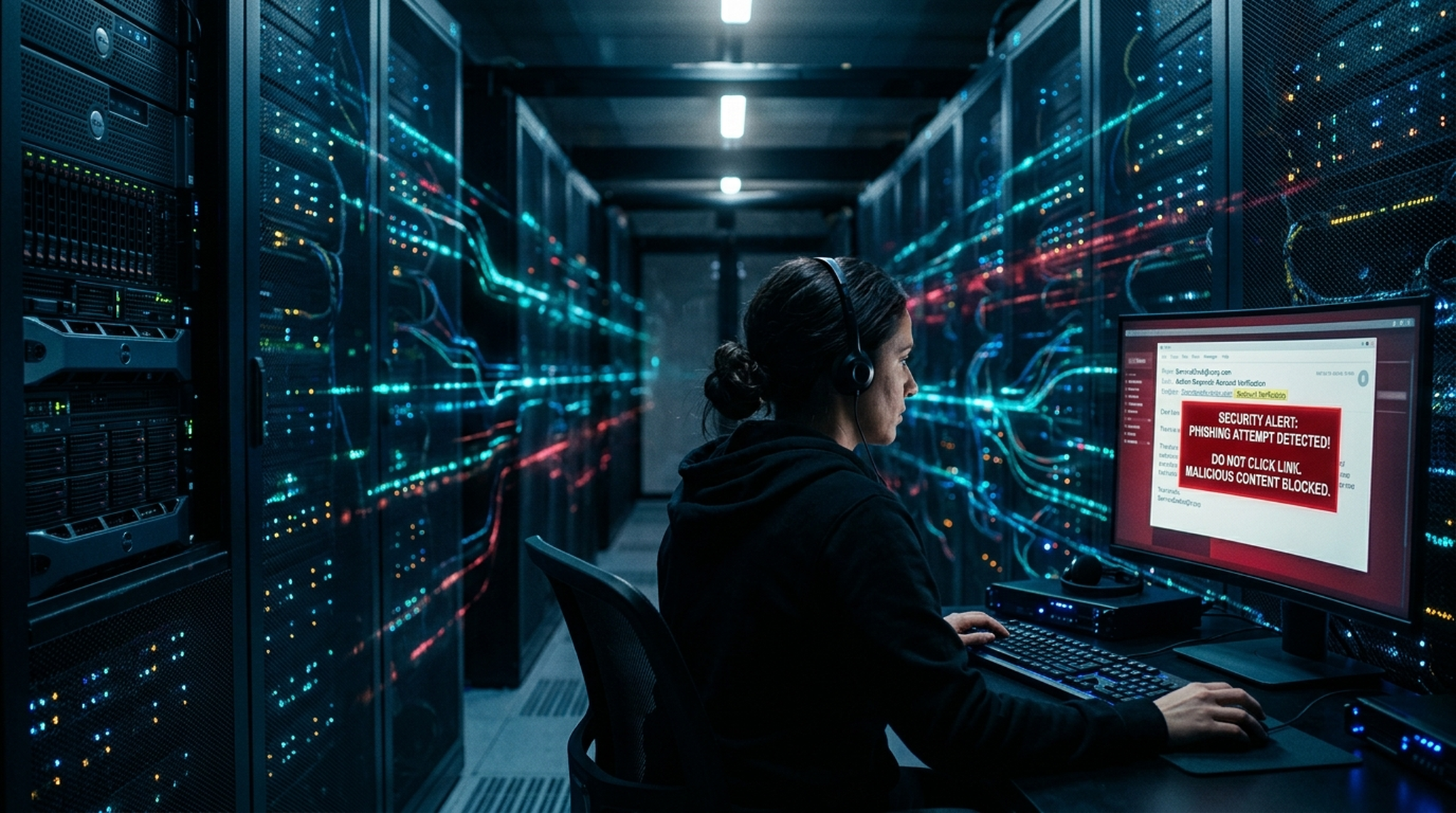
This is not speculation. Every statistic in this article links to its original source: Microsoft Security Blog, BakerHostetler, and Rapid7 threat reports published between March 18 and April 2, 2026.
450%
Increase in phishing effectiveness with AI-generated content
100K
Organizations compromised by a single phishing platform (Tycoon2FA)
$4.24M
Average ransomware demand in 2025, up 70% year-over-year
105%
Surge in exploited high-severity vulnerabilities year-over-year
HOW AI PHISHING WORKS IN 2026
LLM ENGINE
Generates personalized emails
→
SCRAPED DATA
LinkedIn, social, corporate sites
→
PHISHING KIT
Tycoon2FA, MFA bypass
→
CREDENTIAL THEFT
54% click-through rate
The 54% Problem: Why AI Makes Every Employee a Target
On April 2, 2026, Microsoft's Deputy CISO Sherrod DeGrippo published findings that should keep every security team awake tonight: AI-crafted phishing emails now achieve a 54% click-through rate, compared to 12% for traditional campaigns. That is a 450% increase in effectiveness.
The difference is personalization at scale. Traditional phishing relied on bulk templates with obvious red flags: misspelled domains, generic greetings, broken formatting. AI-generated phishing uses large language models to craft messages that reference the target's actual job title, recent projects, and colleague names scraped from LinkedIn and corporate websites.
Microsoft's report identifies a specific platform, Tycoon2FA, as a primary enabler. This single phishing-as-a-service operation compromised approximately 100,000 organizations since 2023 and accounted for 62% of all phishing attacks Microsoft blocked on a monthly basis. In early April 2026, Microsoft and Europol jointly seized 330 domains associated with Tycoon2FA.
The Financial Fallout: Ransomware Demands Hit $4.24 Million
Phishing is not the endgame. It is the entry point. Once credentials are harvested, attackers move laterally through enterprise networks to deploy ransomware. BakerHostetler's 12th Annual Data Security Incident Response Report, published March 27, 2026, documents the financial consequences:
Average ransomware demand: $4.24 million (up 70% from 2024)
Average ransomware payment: $682,702 (up 36% from 2024)
Primary entry vector: phishing and compromised credentials
Separately, Rapid7's 2026 Global Threat Landscape Report (March 18, 2026) found that exploited high-severity and critical-severity vulnerabilities surged 105% year-over-year. The attack timeline has collapsed: from vulnerability disclosure to active exploitation, the window is now measured in hours, not weeks.
The AI Agent Surface: Microsoft's RSAC Warning
Microsoft's RSAC 2026 presentation introduced a concept that enterprise security teams need to internalize: "the agent ecosystem will become the most attacked surface in the enterprise."
As companies deploy autonomous AI agents with access to internal systems, each agent becomes a potential attack vector. Phishing is evolving beyond targeting humans. Attackers are now probing AI agent interfaces, injecting malicious prompts through support tickets, email parsing systems, and document workflows that AI agents process automatically.
The combination is lethal: AI makes phishing more effective against humans, while AI agents create new machine-to-machine attack surfaces that most security frameworks were not designed to handle.
What Your Organization Should Do Now
Deploy phishing-resistant MFA. FIDO2 hardware keys and passkeys eliminate the credential harvesting that Tycoon2FA exploits. SMS and TOTP codes are no longer sufficient.
Audit AI agent access permissions. Every autonomous agent in your environment should have minimum-privilege access, time-limited tokens, and behavioral monitoring.
Run AI-powered phishing simulations. Traditional phishing tests use outdated templates. Test your employees against LLM-generated attacks that mirror real threat actor capabilities.
Patch at machine speed. With the disclosure-to-exploit window collapsing to hours, manual patching cycles are a liability. Automate critical vulnerability remediation.
Monitor for credential marketplace activity. Stolen credentials from phishing campaigns are sold on dark web forums within hours. Implement continuous credential exposure monitoring.
VERIFIED SOURCES
Microsoft Security Blog - "Threat actor abuse of AI accelerates from tool to cyberattack surface" (April 2, 2026)
AI-powered cybersecurity threat intelligence. Every data point traced to its federal source.
28 specialized AI agents. 200-page intelligence reports. Every number links to the original source.
Follow @patechlabs for early access.
Disclaimer: This article is for informational purposes only and does not constitute legal advice. All statistics cited are from publicly available government documents, federal procurement records, and peer-reviewed research. PATech Labs does not provide legal services. Consult a licensed attorney for legal guidance.
Это не предположения. Каждая статистика в этой статье ссылается на оригинальный источник: блог безопасности Microsoft, BakerHostetler и отчеты об угрозах Rapid7, опубликованные между 18 марта и 2 апреля 2026 года.
450%
Рост эффективности фишинга с использованием AI-контента
100K
Организаций скомпрометировано одной фишинговой платформой (Tycoon2FA)
$4,24M
Средний размер требований программ-вымогателей в 2025, рост на 70%
105%
Всплеск эксплуатации критических уязвимостей за год
КАК РАБОТАЕТ AI-ФИШИНГ В 2026 ГОДУ
LLM-ДВИЖОК
Генерирует персональные письма
→
СБОР ДАННЫХ
LinkedIn, соцсети, корпоративные сайты
→
ФИШИНГ-КИТ
Tycoon2FA, обход MFA
→
КРАЖА ДАННЫХ
54% кликают по ссылке
Проблема 54%: почему AI делает каждого сотрудника мишенью
2 апреля 2026 года заместитель директора по информационной безопасности Microsoft Шеррод ДеГриппо опубликовала данные, которые должны насторожить каждую службу безопасности: AI-генерированные фишинговые письма достигают 54% кликабельности по сравнению с 12% у традиционных кампаний. Это рост эффективности на 450%.
Разница в персонализации в масштабе. Традиционный фишинг опирался на массовые шаблоны с очевидными ошибками: неправильные домены, стандартные обращения, сломанное форматирование. AI-генерированный фишинг использует большие языковые модели для создания сообщений, которые ссылаются на реальную должность цели, недавние проекты и имена коллег из LinkedIn и корпоративных сайтов.
Отчет Microsoft указывает на конкретную платформу Tycoon2FA как основной инструмент. Эта единственная фишинговая платформа скомпрометировала около 100 000 организаций с 2023 года и отвечала за 62% всех фишинговых атак, блокируемых Microsoft ежемесячно. В начале апреля 2026 года Microsoft и Европол совместно конфисковали 330 доменов, связанных с Tycoon2FA.
Финансовые последствия: требования вымогателей достигли $4,24 миллиона
Фишинг - это не конечная цель. Это точка входа. После кражи учетных данных злоумышленники перемещаются по корпоративным сетям для развертывания программ-вымогателей. 12-й ежегодный отчет BakerHostetler об инцидентах безопасности данных, опубликованный 27 марта 2026 года, документирует финансовые последствия:
Средний размер требований: $4,24 миллиона (рост на 70% с 2024)
Средний размер выплат: $682 702 (рост на 36% с 2024)
Основной вектор входа: фишинг и скомпрометированные учетные данные
Отдельно отчет Rapid7 Global Threat Landscape 2026 (18 марта 2026) установил, что эксплуатация критических уязвимостей выросла на 105% за год. Временной промежуток атаки сократился: от публикации уязвимости до активной эксплуатации теперь проходят часы, а не недели.
Interested in implementing similar AI solutions? Discover how PATech Labs can help your business leverage cutting-edge artificial intelligence.
Поверхность атаки на AI-агентов: предупреждение Microsoft на RSAC
Презентация Microsoft на RSAC 2026 представила концепцию, которую корпоративным службам безопасности необходимо усвоить: "экосистема агентов станет наиболее атакуемой поверхностью в предприятии".
По мере развертывания автономных AI-агентов с доступом к внутренним системам каждый агент становится потенциальным вектором атаки. Фишинг эволюционирует за пределы таргетирования людей. Злоумышленники теперь зондируют интерфейсы AI-агентов, внедряя вредоносные промпты через тикеты поддержки, системы обработки электронной почты и документооборот, который AI-агенты обрабатывают автоматически.
Что ваша организация должна сделать сейчас
Внедрите фишинго-устойчивую MFA. Аппаратные ключи FIDO2 и passkeys устраняют кражу учетных данных, которую эксплуатирует Tycoon2FA. SMS и TOTP-коды больше недостаточны.
Проведите аудит прав доступа AI-агентов. Каждый автономный агент должен иметь минимальные привилегии, ограниченные по времени токены и поведенческий мониторинг.
Проводите AI-симуляции фишинга. Тестируйте сотрудников против LLM-генерированных атак, имитирующих реальные возможности злоумышленников.
Патчите на скорости машины. При сокращении окна эксплуатации до часов ручные циклы обновлений становятся риском. Автоматизируйте устранение критических уязвимостей.
Мониторьте утечки учетных данных. Украденные данные продаются на теневых форумах в течение часов. Внедрите непрерывный мониторинг компрометации учетных данных.
ПРОВЕРЕННЫЕ ИСТОЧНИКИ
Microsoft Security Blog - "Threat actor abuse of AI accelerates from tool to cyberattack surface" (2 апреля 2026)
BakerHostetler - 12-й ежегодный отчет об инцидентах безопасности данных (27 марта 2026)
Rapid7 - отчет Global Threat Landscape 2026 (18 марта 2026)
Microsoft/Европол - операция по конфискации доменов Tycoon2FA (апрель 2026)
PATech Labs Intelligence Store Запуск в апреле 2026
AI-аналитика киберугроз. Каждый факт прослеживается до оригинального источника.
28 специализированных AI-агентов. 200-страничные аналитические отчеты. Каждая цифра со ссылкой на источник.
Подписывайтесь на @patechlabs для раннего доступа.
Отказ от ответственности: Эта статья предназначена исключительно для информационных целей и не является юридической консультацией. Все приведенные статистические данные взяты из общедоступных государственных документов, федеральных контрактных записей и рецензируемых исследований. PATech Labs не предоставляет юридических услуг. Обратитесь к лицензированному адвокату за юридической консультацией.
Esto no es especulacion. Cada estadistica en este articulo enlaza a su fuente original: Blog de Seguridad de Microsoft, BakerHostetler e informes de amenazas de Rapid7 publicados entre el 18 de marzo y el 2 de abril de 2026.
450%
Aumento en la efectividad del phishing con contenido generado por IA
100K
Organizaciones comprometidas por una sola plataforma de phishing (Tycoon2FA)
$4.24M
Demanda promedio de ransomware en 2025, aumento del 70% interanual
105%
Aumento en la explotacion de vulnerabilidades criticas interanual
COMO FUNCIONA EL PHISHING CON IA EN 2026
MOTOR LLM
Genera emails personalizados
→
DATOS RECOPILADOS
LinkedIn, redes sociales, sitios corporativos
→
KIT DE PHISHING
Tycoon2FA, bypass de MFA
→
ROBO DE CREDENCIALES
54% tasa de clics
El problema del 54%: por que la IA convierte a cada empleado en objetivo
El 2 de abril de 2026, la Subdirectora de Seguridad de la Informacion de Microsoft, Sherrod DeGrippo, publico hallazgos que deberian mantener despierto a todo equipo de seguridad: los emails de phishing generados por IA logran una tasa de clics del 54%, comparado con el 12% de las campanas tradicionales. Eso es un aumento del 450% en efectividad.
La diferencia es la personalizacion a escala. El phishing tradicional dependia de plantillas masivas con senales obvias: dominios mal escritos, saludos genericos, formato roto. El phishing generado por IA utiliza modelos de lenguaje grandes para crear mensajes que hacen referencia al cargo real del objetivo, proyectos recientes y nombres de colegas extraidos de LinkedIn y sitios corporativos.
El informe de Microsoft identifica una plataforma especifica, Tycoon2FA, como facilitador principal. Esta unica operacion de phishing como servicio comprometio aproximadamente 100,000 organizaciones desde 2023 y representaba el 62% de todos los ataques de phishing que Microsoft bloqueaba mensualmente. A principios de abril de 2026, Microsoft y Europol confiscaron conjuntamente 330 dominios asociados con Tycoon2FA.
El impacto financiero: demandas de ransomware alcanzan $4.24 millones
El phishing no es el objetivo final. Es el punto de entrada. Una vez que se roban las credenciales, los atacantes se mueven lateralmente por las redes empresariales para desplegar ransomware. El 12o Informe Anual de Respuesta a Incidentes de Seguridad de Datos de BakerHostetler, publicado el 27 de marzo de 2026, documenta las consecuencias financieras:
Demanda promedio de ransomware: $4.24 millones (aumento del 70% desde 2024)
Pago promedio de ransomware: $682,702 (aumento del 36% desde 2024)
Vector de entrada principal: phishing y credenciales comprometidas
Separadamente, el Informe Global de Amenazas de Rapid7 2026 (18 de marzo de 2026) encontro que la explotacion de vulnerabilidades criticas y de alta gravedad aumento un 105% interanual. La linea temporal de ataque se ha colapsado: desde la divulgacion de la vulnerabilidad hasta la explotacion activa, la ventana ahora se mide en horas, no semanas.
La superficie de ataque de agentes IA: advertencia de Microsoft en RSAC
La presentacion de Microsoft en RSAC 2026 introdujo un concepto que los equipos de seguridad empresarial necesitan interiorizar: "el ecosistema de agentes se convertira en la superficie mas atacada de la empresa".
A medida que las empresas despliegan agentes de IA autonomos con acceso a sistemas internos, cada agente se convierte en un vector de ataque potencial. El phishing esta evolucionando mas alla de atacar humanos. Los atacantes ahora sondean las interfaces de agentes de IA, inyectando prompts maliciosos a traves de tickets de soporte, sistemas de procesamiento de email y flujos documentales que los agentes de IA procesan automaticamente.
Lo que su organizacion debe hacer ahora
Implemente MFA resistente al phishing. Las llaves hardware FIDO2 y passkeys eliminan el robo de credenciales que Tycoon2FA explota. Los codigos SMS y TOTP ya no son suficientes.
Audite los permisos de acceso de agentes IA. Cada agente autonomo debe tener acceso de minimo privilegio, tokens con tiempo limitado y monitoreo comportamental.
Ejecute simulaciones de phishing con IA. Pruebe a sus empleados contra ataques generados por LLM que reflejen las capacidades reales de los actores de amenazas.
Parchee a velocidad de maquina. Con la ventana de explotacion colapsando a horas, los ciclos de parcheo manuales son un riesgo. Automatice la remediacion de vulnerabilidades criticas.
Monitoree la actividad del mercado de credenciales. Las credenciales robadas se venden en foros de la dark web en horas. Implemente monitoreo continuo de exposicion de credenciales.
FUENTES VERIFICADAS
Microsoft Security Blog - "Threat actor abuse of AI accelerates from tool to cyberattack surface" (2 de abril de 2026)
BakerHostetler - 12o Informe Anual de Respuesta a Incidentes de Seguridad de Datos (27 de marzo de 2026)
Rapid7 - Informe Global de Amenazas 2026 (18 de marzo de 2026)
Microsoft/Europol - Operacion de confiscacion de dominios Tycoon2FA (abril 2026)
PATech Labs Intelligence Store Lanzamiento en abril 2026
Inteligencia de ciberamenazas impulsada por IA. Cada dato rastreado hasta su fuente federal.
28 agentes de IA especializados. Informes de inteligencia de 200 paginas. Cada numero enlazado a la fuente original.
Siga a @patechlabs para acceso anticipado.
Aviso legal: Este articulo tiene fines informativos unicamente y no constituye asesoramiento legal. Todas las estadisticas citadas provienen de documentos gubernamentales publicos, registros de adquisiciones federales e investigaciones revisadas por pares. PATech Labs no proporciona servicios legales. Consulte a un abogado licenciado para orientacion legal.
Anastasia Rychkova is Vice President and Head of Business & Compliance Strategy at PATech Labs. She drives the company mission to democratize advanced AI while ensuring regulatory compliance across finance, healthcare, and regulated agriculture industries. Anastasia bridges the gap between powerful technology and real-world business needs, overseeing go-to-market strategy, client success, and strategic partnerships.
Content created with AI assistance and verified by human researchers.Learn more
Ready to Build Your Autonomous Growth Engine?
Stop relying on expensive ads and uncertain results. PATech Labs' patent-pending AI Ecosystem isn't just another chatbot or content tool. It's a fully-integrated, self-improving system that creates sustainable organic visibility and converts it into qualified leads. Transform your business with our proven ecosystem used by leaders in cannabis, finance, healthcare, and enterprise sectors.